🚀 Launched!
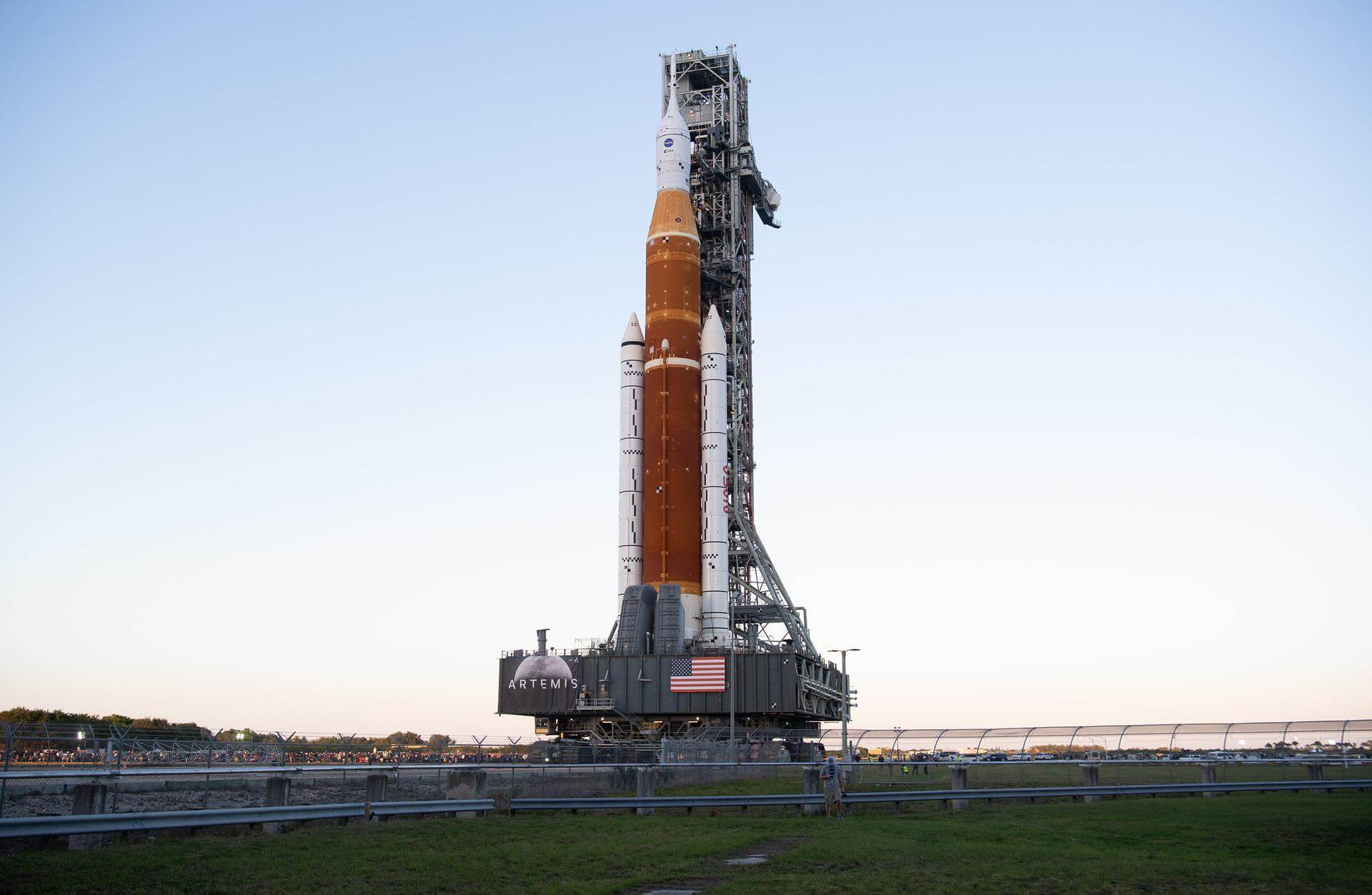
|SLS Block 1 | Artemis IISLS Block 1 | Artemis II
Space Launch System (SLS)•National Aeronautics and Space Administration
LIVE
Connected
Live Chat
Live
28m left
🚀Artemis II Launch is Today!!🚀
Track live launches, play educational games, and discover the wonders of space exploration together!
Launching Soon
🔴 Live Data
SLS Block 1 | Artemis II
🚀 Launched!
00D
:00H
:00M
:00S
Date
April 1, 2026
Time
6:24 PM EDT
Cost
$2,000,000,000
Location
Kennedy Space Center
National Aeronautics and Space Administration
⭐
🌟 Game of the Week
Star Catcher
Catch falling stars and planets for points!
🎥 Watch Prior Launches
Relive the excitement! Watch highlights from recent rocket launches and space missions.
Starlink Group 17-18 (Starlink-365)
Mar 8, 20265:38Falcon 9
SpaceX launches another batch of Starlink satellites into low-Earth orbit aboard Falcon 9. Watch the flight-proven booster return for a smooth drone ship landing as the Starlink constellation continues to grow!
🛰️ More Starlink internet satellites!
StarlinkFalcon 9Cape CanaveralSpaceXLEO
🚀 Relive More Launches
1 / 5
"Insight at Speed is a Friend Indeed"
Mar 5, 2026Electron
Rocket Lab launches a unique mission from its launch complex. A creative mission name for an exciting payload deployment into orbit!
⚡ Speed is key in space!Rocket Lab
TATARA-1R Mission
Mar 5, 2026Launch Vehicle
An exciting satellite mission launches to orbit. Watch the full launch webcast as the rocket lifts off and deploys its payload successfully into the target orbit.
🛰️ Satellite to orbit!Commercial
Starlink Group 10-40 (Starlink-364)
Mar 4, 2026Falcon 9
SpaceX launches another batch of Starlink satellites into low-Earth orbit aboard Falcon 9 from Cape Canaveral. Watch the booster return for a flawless drone ship landing!
🛰️ Starlink internet to the world!SpaceX
🚀
✨
🌟
🚀Blast Off Schedule🚀
Upcoming Rocket Launches!
🎯 12 awesome missions coming up! Which one will you watch?
1 of 4
👨🚀Crewed Mission
Pending
🚀 Space Launch System (SLS)
🚀National Aeronautics and Space Administration
SLS Block 1 | Artemis II
📅Apr 1, 2026
⏰10:24 PM
🚀 LAUNCHED!
💰Launch Cost: $2,000,000,000
📍Kennedy Space Center, FL, USA
💡
Fun Fact!
This rocket launches from Launch Complex 39B at Kennedy Space Center, FL, USA - one of the coolest launch sites on Earth!

🛰️Satellite Deploy
Go
🚀 Falcon 9
🚀SpaceX
Falcon 9 Block 5 | Starlink Group 10-58
📅Apr 2, 2026
⏰11:52 AM
⏱️ Countdown
00Days
:13Hrs
:25Min
:43Sec
💰Launch Cost: $52,000,000
📍Cape Canaveral SFS, FL, USA
💡
Fun Fact!
Falcon 9 belongs to the Falcon family of rockets!
🛰️Satellite Deploy
Go
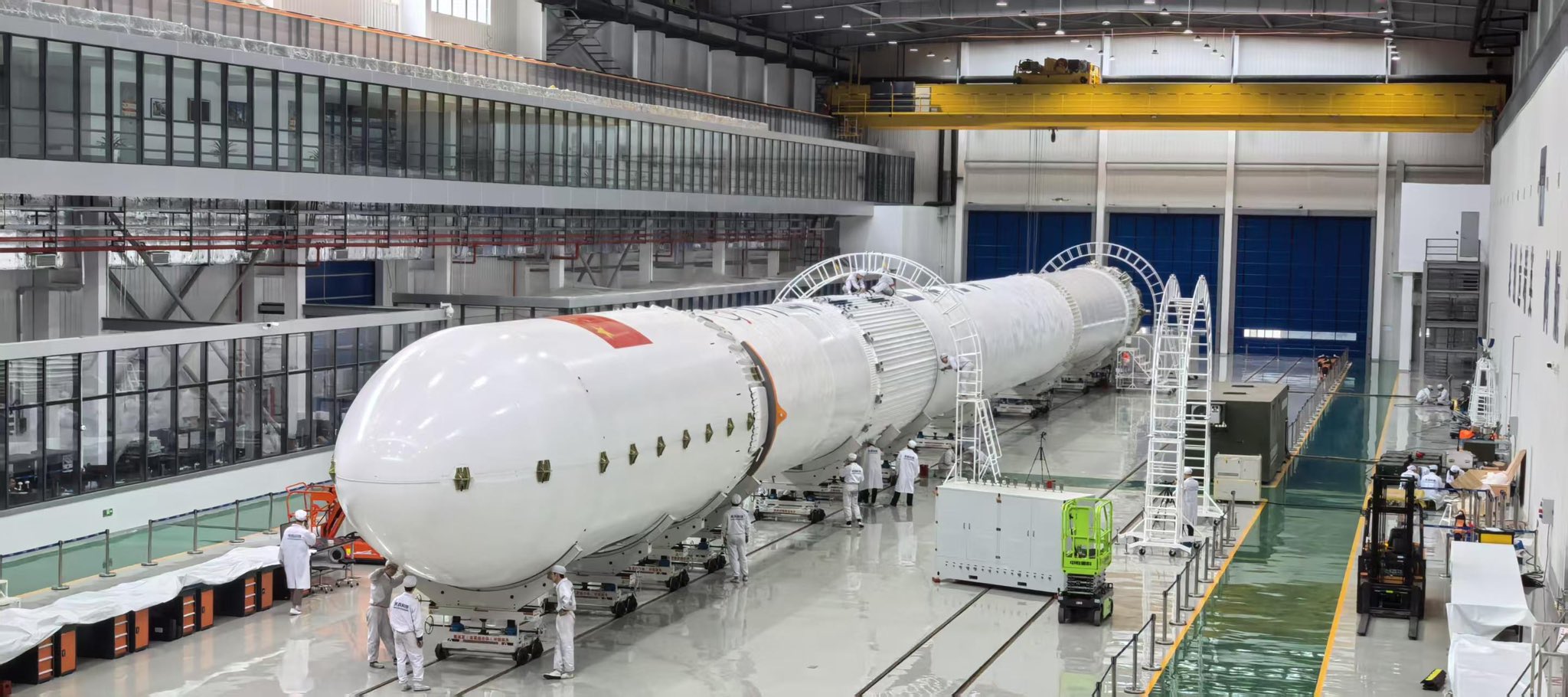
🚀 Tianlong-3
🚀Space Pioneer
Tianlong-3 | Demo Flight
📅Apr 3, 2026
⏰4:00 AM
⏱️ Countdown
01Days
:05Hrs
:33Min
:43Sec
📍Jiuquan Satellite Launch Center, People's Republic of China
💡
Fun Fact!
Tianlong-3 belongs to the Tianlong-3 family of rockets!
🧪Test Flight
Go
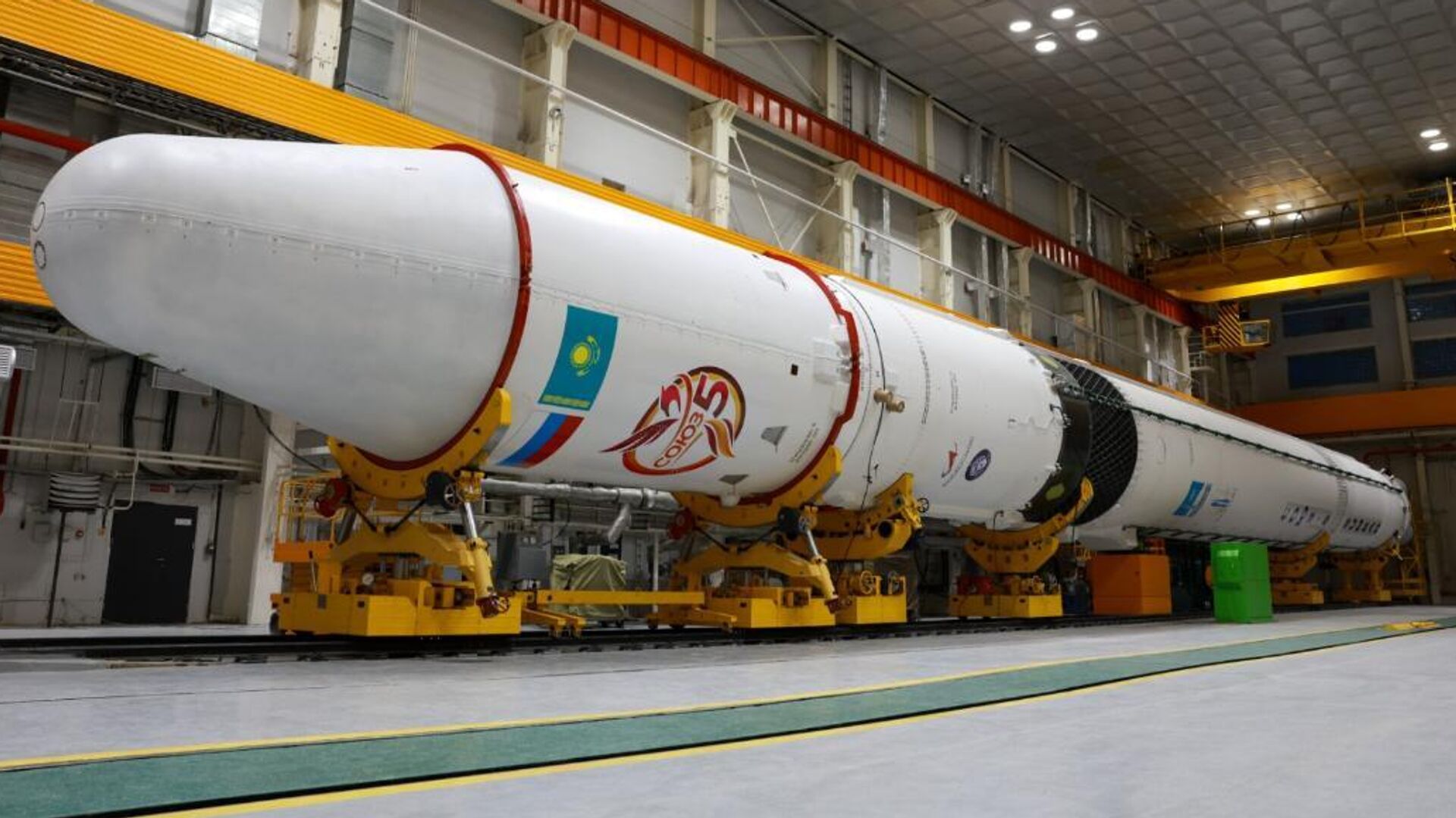
🚀 Soyuz-5
🚀RKK Energiya
Soyuz-5 | Demo Flight
📅Apr 3, 2026
⏰11:00 AM
⏱️ Countdown
01Days
:12Hrs
:33Min
:43Sec
📍Baikonur Cosmodrome, Republic of Kazakhstan
💡
Fun Fact!
This rocket launches from 45/1 at Baikonur Cosmodrome, Republic of Kazakhstan - one of the coolest launch sites on Earth!
🛰️Satellite Deploy
Go
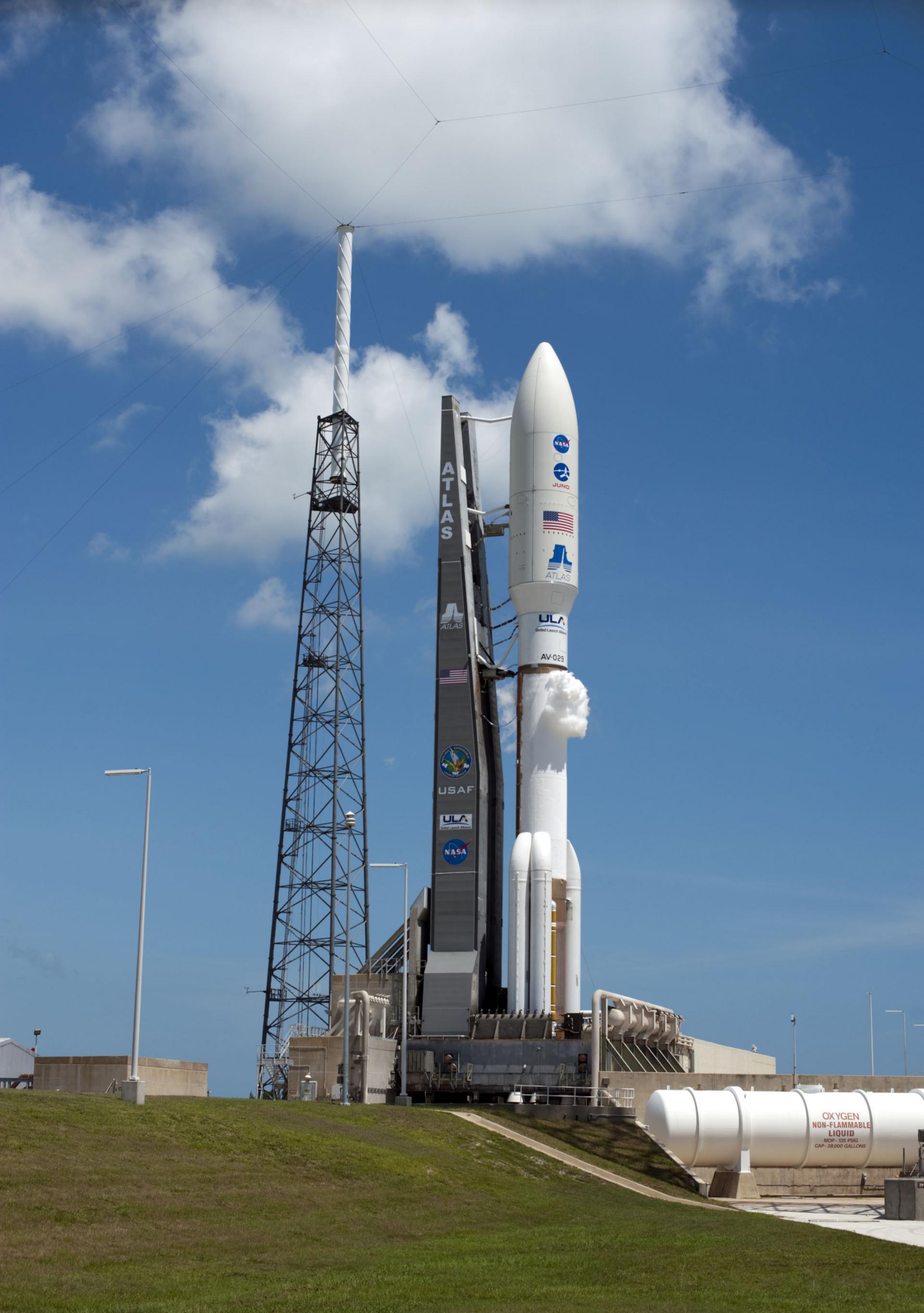
🚀 Atlas V 551
🛡️ULA
Atlas V 551 | Amazon Leo (LA-05)
📅Apr 4, 2026
⏰5:45 AM
⏱️ Countdown
02Days
:07Hrs
:18Min
:43Sec
💰Launch Cost: $153,000,000
📍Cape Canaveral SFS, FL, USA
💡
Fun Fact!
United Launch Alliance is one of the companies helping humanity explore the cosmos!
🛰️Satellite Deploy
Go
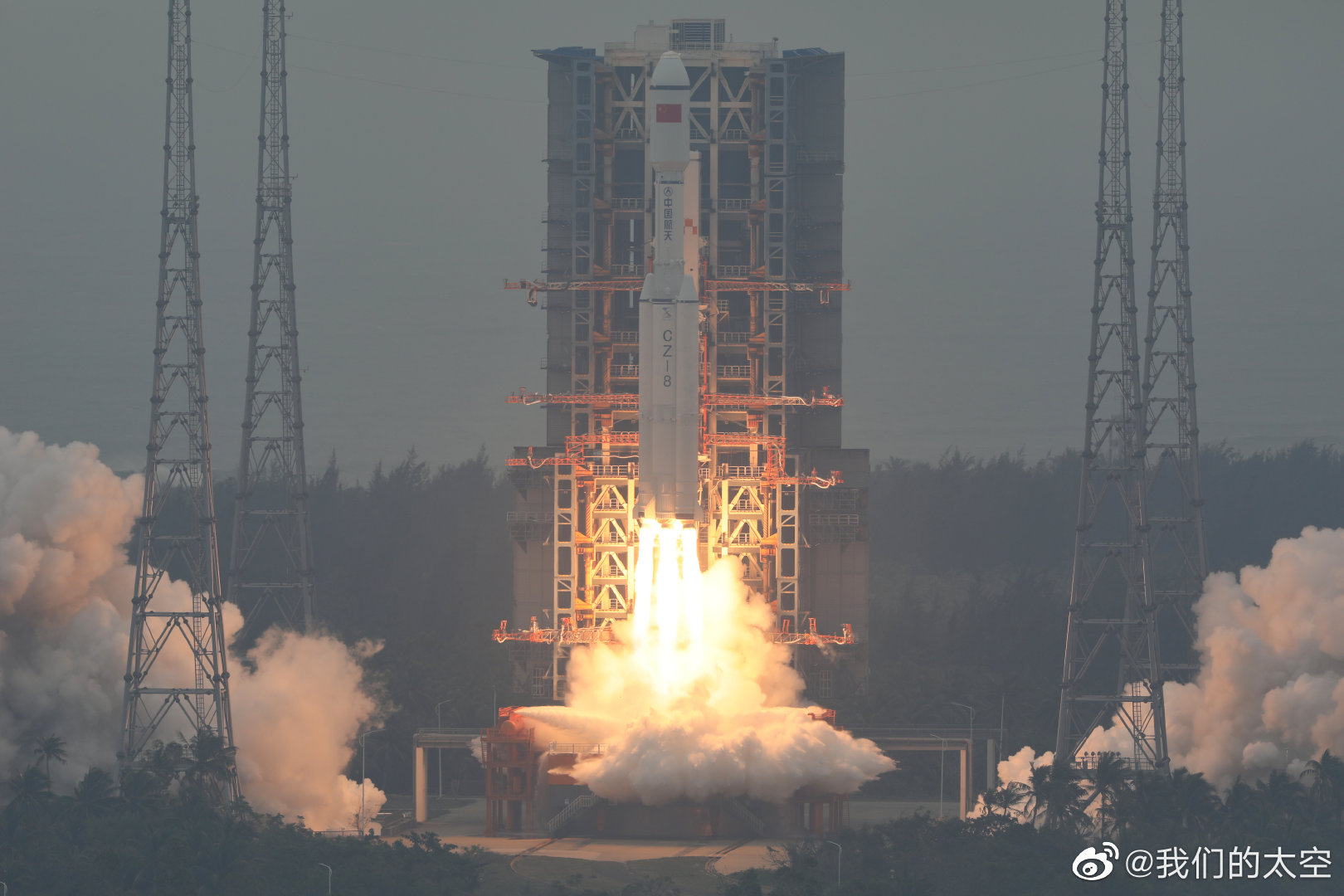
🚀 Falcon 9
🚀SpaceX
Falcon 9 Block 5 | Starlink Group 17-35
📅Apr 4, 2026
⏰11:03 PM
⏱️ Countdown
03Days
:00Hrs
:36Min
:43Sec
💰Launch Cost: $52,000,000
📍Vandenberg SFB, CA, USA
💡
Fun Fact!
Falcon 9 belongs to the Falcon family of rockets!

🛰️Satellite Deploy
Pending
🚀 Minotaur IV
🚀Northrop Grumman Space Systems
Minotaur IV | STP-S29A
📅Apr 7, 2026
⏰12:00 AM
⏱️ Countdown
05Days
:01Hrs
:33Min
:43Sec
📍Vandenberg SFB, CA, USA
💡
Fun Fact!
Minotaur IV can carry 1,735 kg to orbit - that's heavier than 1 cars!
🛰️Satellite Deploy
Go
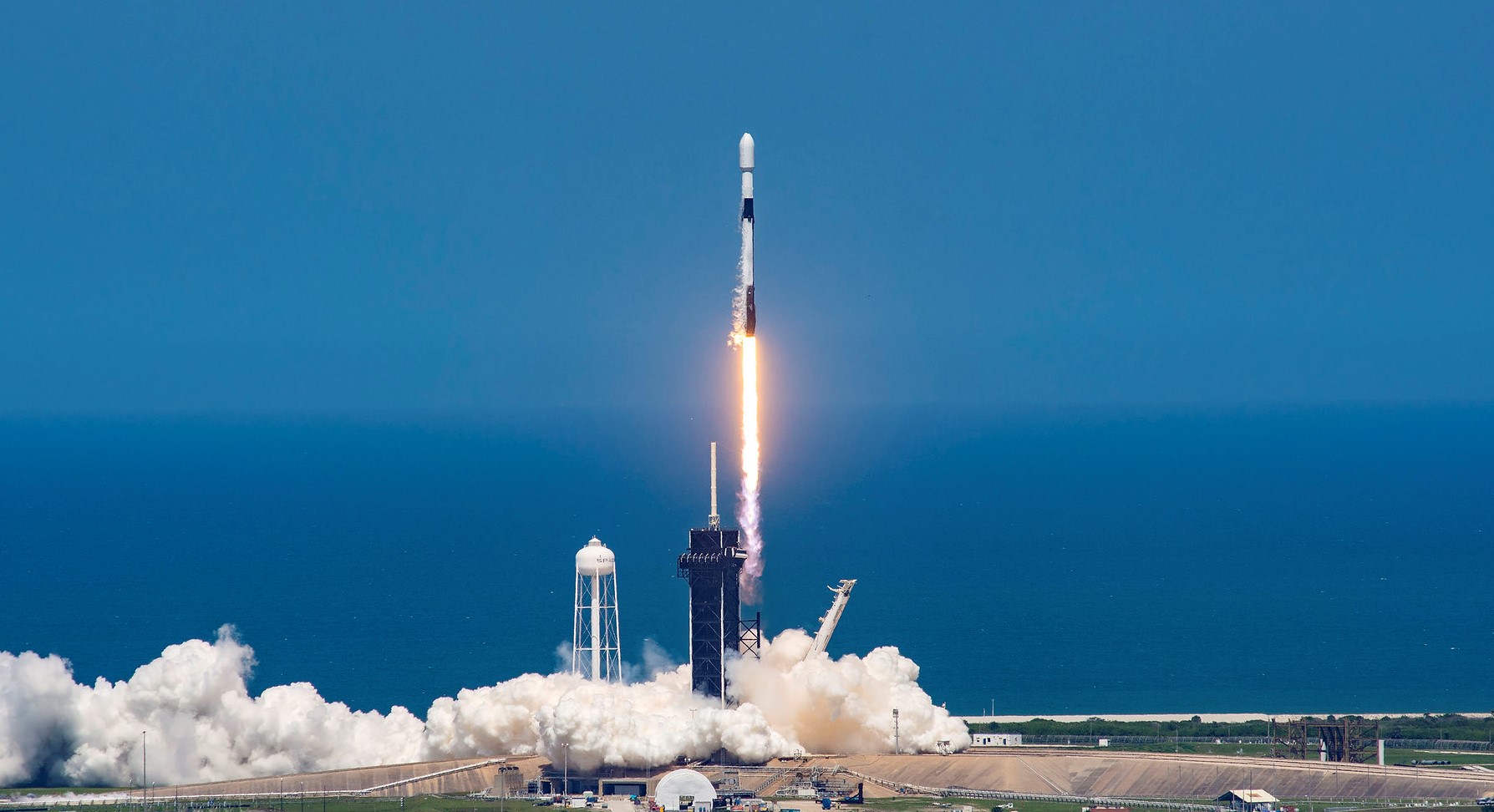
🚀 Long March 8
🚀China Aerospace Science and Technology Corporation
Long March 8 | Unknown Payload
📅Apr 7, 2026
⏰1:00 PM
⏱️ Countdown
05Days
:14Hrs
:33Min
:43Sec
📍Wenchang Space Launch Site, People's Republic of China
💡
Fun Fact!
China Aerospace Science and Technology Corporation is one of the companies helping humanity explore the cosmos!
👨🚀Crewed Mission
Go
🚀 Falcon 9
🚀SpaceX
Falcon 9 Block 5 | Cygnus CRS-2 NG-24
📅Apr 8, 2026
⏰12:51 PM
⏱️ Countdown
06Days
:14Hrs
:24Min
:43Sec
💰Launch Cost: $52,000,000
📍Cape Canaveral SFS, FL, USA
💡
Fun Fact!
Falcon 9 can carry 22,800 kg to orbit - that's heavier than 15 cars!
🛰️Satellite Deploy
Go
🚀 Falcon 9
🚀SpaceX
Falcon 9 Block 5 | Starlink Group 17-21
📅Apr 9, 2026
⏰2:39 AM
⏱️ Countdown
07Days
:04Hrs
:12Min
:43Sec
💰Launch Cost: $52,000,000
📍Vandenberg SFB, CA, USA
💡
Fun Fact!
This rocket launches from Space Launch Complex 4E at Vandenberg SFB, CA, USA - one of the coolest launch sites on Earth!
🛰️Satellite Deploy
Go
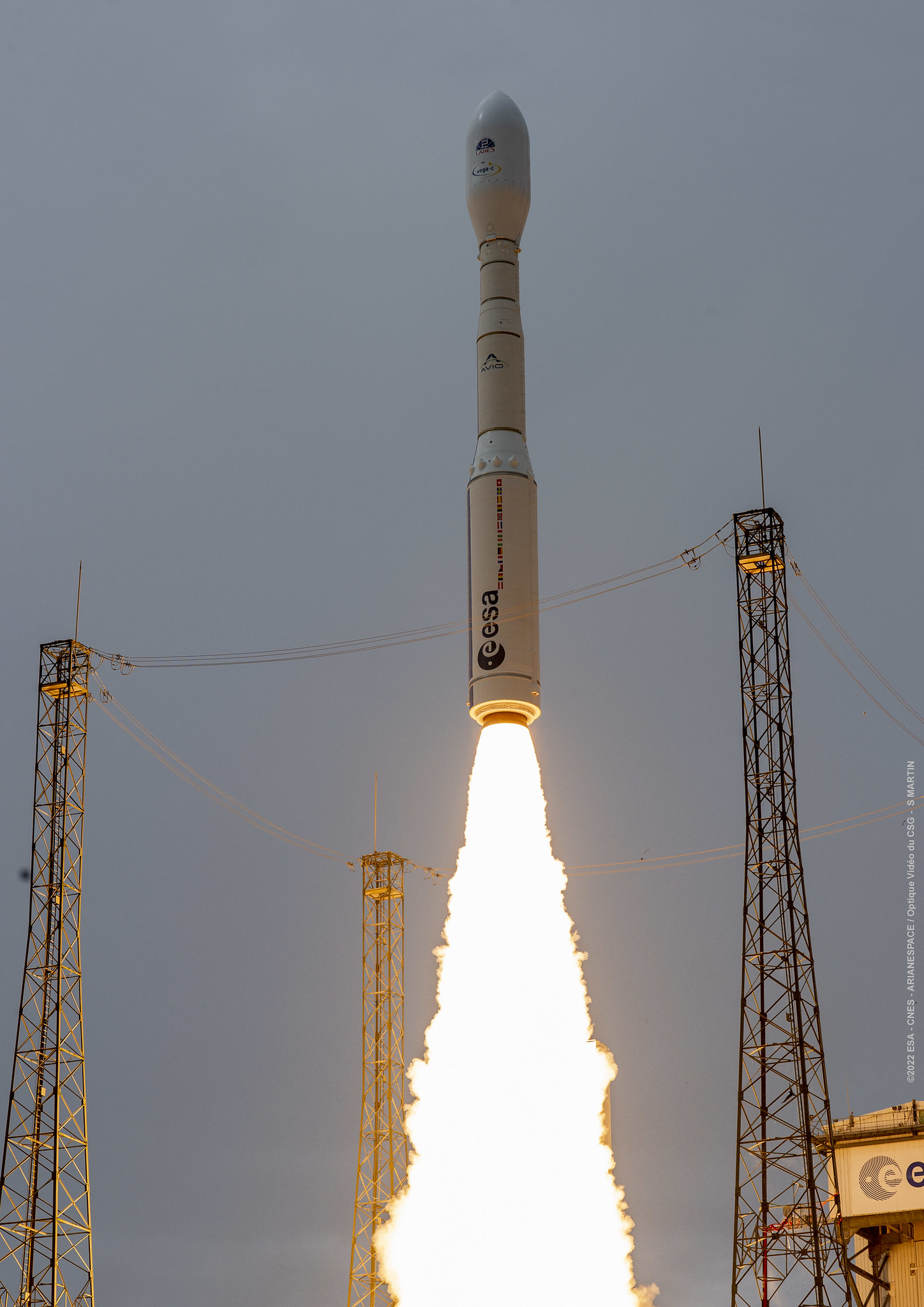
🚀 Vega-C
🚀Avio S.p.A
Vega-C | Solar wind Magnetosphere Ionosphere Link Explorer (SMILE)
📅Apr 9, 2026
⏰6:29 AM
⏱️ Countdown
07Days
:08Hrs
:02Min
:43Sec
💰Launch Cost: $48,000,000
📍Guiana Space Centre, French Guiana
💡
Fun Fact!
Vega-C belongs to the Vega family of rockets!
🛰️Satellite Deploy
Go
🚀 Falcon 9
🚀SpaceX
Falcon 9 Block 5 | Starlink Group 10-24
📅Apr 12, 2026
⏰6:57 AM
⏱️ Countdown
10Days
:08Hrs
:30Min
:43Sec
💰Launch Cost: $52,000,000
📍Cape Canaveral SFS, FL, USA
💡
Fun Fact!
SpaceX is one of the companies helping humanity explore the cosmos!
Latest From Space
Space News & Current Events
Live Updates
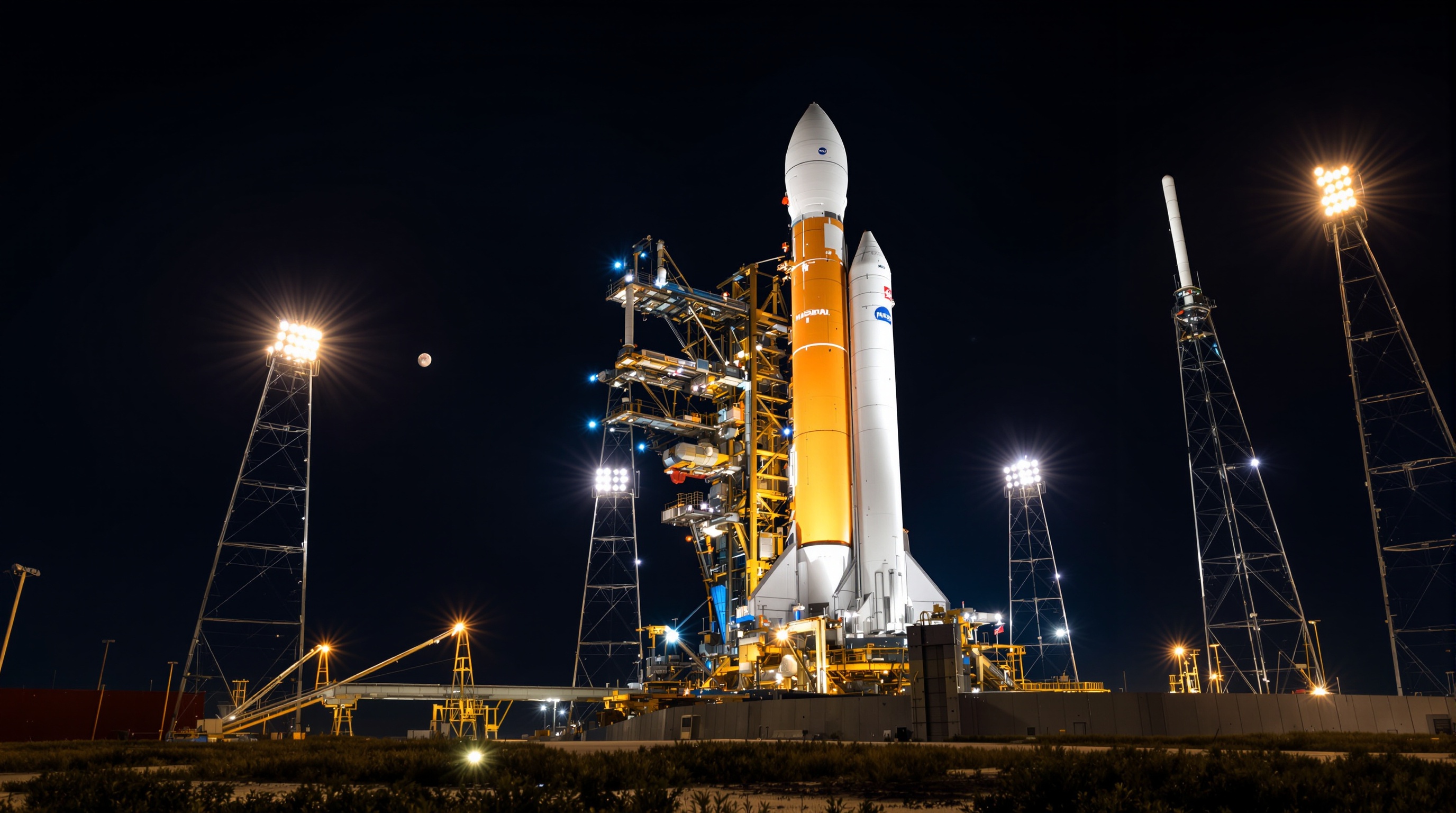
ROCKET ON THE PAD
🌙Lunar Mission
Artemis II
Humanity Returns to the Moon — April 1, 2026 — 6:24 PM EDT
Artemis II is NASA's first crewed mission to the Moon since Apollo 17 in 1972! The SLS rocket is already on Launch Complex 39B, and all four astronauts arrived at Kennedy Space Center on March 27th — they are now in final quarantine ahead of the April 1st liftoff!
Launch Site
🚀 Kennedy Space Center, FL
Launch Window
📅 April 1, 2026 — 6:24 PM EDT
Destination
🌙 Lunar Flyby
Mission Length
⏱️ ~10 days
Why This Is Historic
- ★SLS rolled out to Pad 39B on March 20 — rocket is ready to fly!
- ★All 4 crew members arrived at KSC on March 27 in T-38 jets
- ★Crew currently in health quarantine ahead of April 1 launch
- ★Christina Koch becomes the first woman to travel to the Moon
- ★Jeremy Hansen is the first Canadian to travel beyond Earth orbit
- ★Backup launch windows: April 2–6, then April 30 if needed
👨🚀 Meet the Crew
Reid Wiseman
Commander
Victor Glover
Pilot
Christina Koch
Mission Specialist
Jeremy Hansen
Mission Specialist
More Space Headlines
SpaceX
SpaceX Starship Cleared for First Cargo Run to ISS
NASA has officially certified SpaceX's massive Starship vehicle to carry cargo to the International Space Station, opening a new era of heavy-lift resupply missions.
Mar 12, 2026
4 min read
Deep Space
Europa Clipper Returns Stunning New Images of Jupiter's Moon
NASA's Europa Clipper spacecraft has transmitted its first close-up images of Europa, revealing dramatic ice ridges and potential signs of a sub-surface ocean.
Mar 10, 2026
5 min read
Commercial Space
Blue Origin's Blue Moon Lander Passes Critical Milestone
Blue Origin's human lunar lander has completed a full-duration engine test, clearing a key hurdle ahead of its role in the Artemis lunar landing program.
Mar 8, 2026
3 min read
ISS
ISS Crew Celebrates One Year of Continuous Occupation Milestone
The International Space Station has now been continuously occupied for over 25 years, marking a historic milestone in human spaceflight endurance.
Mar 5, 2026
2 min read
Never Miss a Launch 🚀
Get email alerts before every rocket launch. Just drop your email below 👇
Why Space Exploration Matters
Discover the science behind rocket launches and how space technology improves life on Earth
How Do Rockets Work?
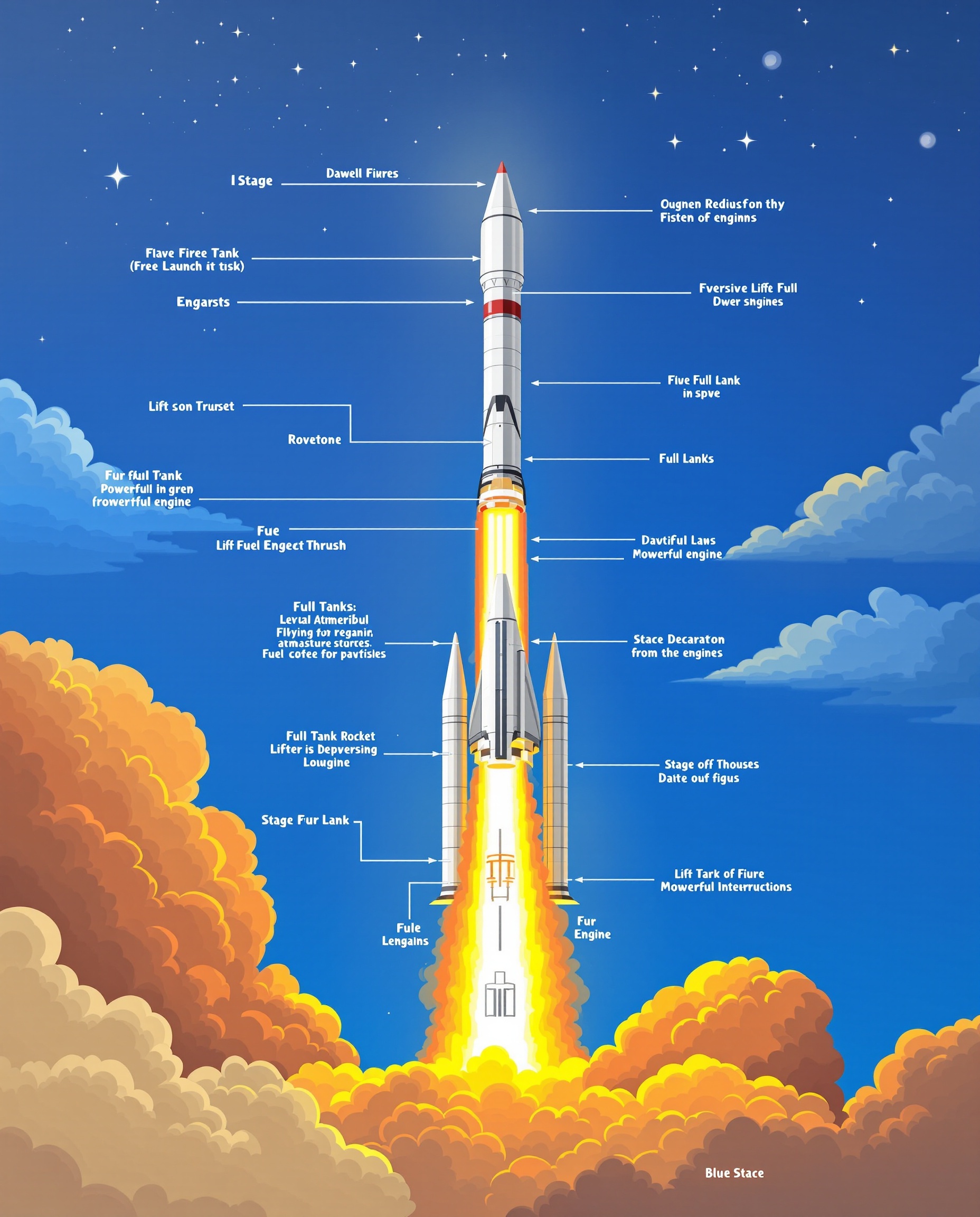
Rockets are incredible machines that use Newton's Third Law of Motion: for every action, there's an equal and opposite reaction. When a rocket burns fuel, it creates hot gases that shoot out the bottom at tremendous speed. This pushes the rocket upward with enormous force called thrust.
Think of it like blowing up a balloon and letting it go—the air rushing out one way makes the balloon fly the other way! Rockets work the same way, but much more powerfully. Modern rockets like SpaceX's Falcon 9 generate over 1.7 million pounds of thrust at liftoff—that's like the power of 40 jumbo jets combined!
Rockets need this incredible power to overcome Earth's gravity, the invisible force pulling everything toward the planet's center. The stronger the thrust, the faster the rocket can accelerate upward. Most rockets have multiple stages that separate and fall away as fuel is used up, making the rocket lighter and more efficient as it climbs higher into space.
Understanding Escape Velocity & Orbits
To reach space, rockets must achieve escape velocity—the minimum speed needed to break free from Earth's gravitational pull. For our planet, that's about 25,000 miles per hour (40,000 kilometers per hour)! That's fast enough to travel from New York to Los Angeles in just 7 minutes.
But most rockets don't actually escape Earth's gravity completely. Instead, they reach orbital velocity—about 17,500 mph—which allows them to continuously "fall" around Earth without hitting the ground. This is how satellites, the International Space Station, and astronauts stay in space!
Imagine throwing a ball horizontally. It curves down and hits the ground, right? Now imagine throwing it so fast that by the time it falls, Earth's surface has curved away beneath it. The ball would keep falling around the planet forever—that's an orbit! Rockets use this principle to place satellites and spacecraft into orbit around Earth.
Fun Space Facts!
- 🚀Fastest rocket: NASA's New Horizons reached 36,000 mph on its way to Pluto
- ⏱️Time to orbit: It takes just 8.5 minutes for a rocket to reach space from liftoff
- 🌍ISS speed: The International Space Station orbits Earth at 17,500 mph, completing one orbit every 90 minutes
- 🔥Fuel consumption: The Space Shuttle burned 500,000 gallons of fuel in just 8 minutes during launch
Why Do We Explore Space?
Scientific Discovery
Space exploration helps us understand our universe, from how planets form to whether life exists elsewhere. Every mission teaches us something new about physics, chemistry, biology, and the origins of our solar system.
Protecting Earth
Satellites monitor climate change, track hurricanes, predict earthquakes, and watch for dangerous asteroids. Space technology helps us understand and protect our home planet better than ever before.
Future of Humanity
As Earth's population grows, space exploration opens possibilities for new resources, energy sources, and even future homes on other planets. Today's space missions are preparing humanity for tomorrow's challenges.
How Space Technology Improves Your Daily Life
You might think space exploration is just about astronauts and rockets, but space technology actually improves your life every single day! Many inventions created for space missions have become essential tools we use on Earth.
GPS navigation that helps your family find directions relies on satellites orbiting Earth. Weather forecasting that tells you if it'll rain tomorrow uses space satellites to track storms and temperature patterns. Even your smartphone's camera technology was originally developed for space telescopes!
📱
Communication
Satellites enable phone calls, internet, and TV broadcasts worldwide
🏥
Medical Advances
MRI machines, artificial limbs, and laser surgery came from space research
💧
Water Purification
NASA's water filtration systems now provide clean drinking water globally
🔋
Solar Power
Solar panels developed for spacecraft now power homes and schools
Every dollar invested in space exploration returns about $7-14 in economic benefits through new technologies, jobs, and innovations that improve life on Earth!
Curious about who built this site and why? We'd love to share our story.
Meet the Team Behind the SiteUpdated Every Week · 5 days until next
Meet Our Featured Explorer
Each week we spotlight an incredible astronaut who has pushed the boundaries of human exploration
Buzz Aldrin
Second Man on the Moon
This Week's Highlight
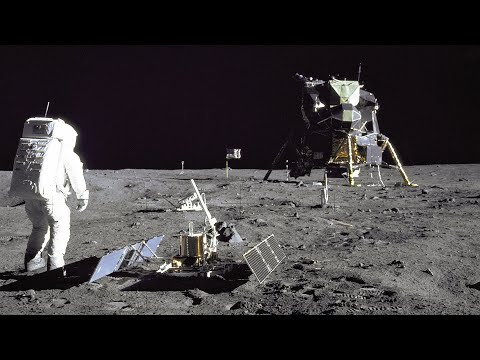
Lunar Module Pilot Apollo 11
Second person to walk on the Moon during the Apollo 11 mission. Lunar Module Pilot Apollo 11, Spacewalk pioneer, Engineer....
Fun Fact
Buzz's real first name is Edwin, but everyone calls him Buzz! He also has a Toy Story character named after him!
Favorite Quote
"I believe that space travel will one day become as common as airline travel is today."
Watch Buzz
Interview
7:34
Buzz Aldrin Describes Moon Landing
Family & Personal Life
Buzz has been married three times and has three children. He has spoken openly about the challenges of fame after Apollo 11 and the importance of family support during difficult times.
🏆Hall of Fame
Astronaut Hall of Fame ⭐
Meet the legendary space explorers who made history! These heroes showed incredible courage and inspired millions of kids to reach for the stars.
Refreshes every Monday · 5 days until next
Featured Videos 🎬
Refreshes every Monday · 5 days until next
6:15
Breaking Barriers in Space
Mae Jemison
1.8M
3:45
Vostok 1: The First Orbit
Yuri Gagarin
3.2M
7:20
Record-Breaking Spacewalk
Peggy Whitson
890K
4:58
Challenger Mission Launch
Sally Ride
1.5M
8:45
SpaceX Crew Dragon Launch
NASA Astronauts
5.2M
10:15
Life Aboard the ISS
ISS Crew
3.8M
6:30
Artemis I Moon Mission
NASA
4.1M
5:40
Spacewalk Training Pool
Astronaut Training
2.1M
7:00
Mars Rover Landing
NASA JPL
6.7M
8:20
Hubble Space Telescope Views
NASA/ESA
9.3M
4:32
First Steps on the Moon
Neil Armstrong
2.4M
5:28
Space Oddity from ISS
Chris Hadfield
50M
🌙
12
Moon Walkers
👨🚀
600+
Total Astronauts
🛸
24/7
ISS Occupied
🚀
60+
Years of Spaceflight
Amazing Space Facts
Blast Off with Fun Facts! 🚀
Discover incredible facts about rockets, space, and the amazing journeys to the stars!
Swipe left or right to explore more facts
🎮Space Arcade
Play & Learn Space Games! 🚀
Test your skills with exciting space-themed games. Dodge asteroids, catch stars, and launch rockets!
☄️
Asteroid Dodge
Dodge space rocks!
Play Now
⭐
Star Catcher
Catch falling stars!
Play Now
🚀
Rocket Launch
Launch to space!
Play Now
🧠
Space Memory
Match the pairs!
Play Now
🪐
Planet Hopper
Jump between planets!
Play Now
👾
Alien Blaster
Defend Earth!
Play Now
🔢
Space Math
Solve & score!
Play Now
✨
Constellation Connect
Draw the stars!
Play Now
🎨
Nebula Painter
Paint the cosmos!
Play Now
⌨️
Space Typer
Type at light speed!
Play Now
🌀
Gravity Slingshot
Master gravity!
Play Now
🌙
Lunar Lander
Land on the Moon!
Play Now
☀️
Solar Surfer
Ride solar winds!
Play Now
💫
Comet Chase
Chase the comet!
Play Now
🌌
Galaxy Builder
Build galaxies!
Play Now
🏆Your Achievements
Game High Score Badges
Play mini-games to earn badges and climb the leaderboard!
☄️
Asteroid Dodge
---
★★★
🔒
⭐
Star Catcher
---
★★★
🔒
🚀
Rocket Launch
---
★★★
🔒
🧠
Space Memory
---
★★★
🔒
★ Rookie: 100+ pts | ★★ Pro: 500+ pts | ★★★ Master: 1000+ pts
FREE ACCESS WEEK — ACTIVE NOW
Everything Is Unlocked!
No logins, no credit cards, no limits. Explore the full RocketKids experience free — all week long.
Free access ends in 7d 1h · Expires April 8
Unlimited Launch Videos
Watch every rocket launch, anytime — no daily limit
Unlimited Activity Downloads
Download all activities & printable worksheets freely
Unlimited Quiz Attempts
Play every space quiz as many times as you want
Premium-Only Activities
Exclusive games, coloring books & activities unlocked
Ad-Free Experience
Enjoy the whole site without any interruptions
Early Access Content
New content unlocked 48 hours before everyone else
Go explore everything — it's all yours!
Jump into games, videos, worksheets, the quiz, rocket tracker — no gates, no limits.
Note: Homeschool Curriculum requires a separate subscription.
⭐
🌙
🪐
✨
Family Voices
Real Adventures, Real Smiles 😊
Hear from parents and kids who are exploring space together — and share your own experience!
Meet the Team Behind the Site🚀
“Best family activity we've found!”
My kids literally count down the days to each launch now! We watch together as a family and the fun facts keep them asking questions all week long.

The Martinez Family
Mom & 2 kids (ages 6 & 9) · Austin, TX
👨🚀
“I love the rocket countdowns!”
I want to be an astronaut when I grow up and this website helps me learn everything about rockets! My favorite part is the countdown timer.
Oliver, age 8
with Dad James · London, UK
📚
“Perfect for homeschooling!”
We use RocketWatch Kids as part of our homeschool science curriculum. The activity sheets and quizzes are perfect for making space science hands-on and exciting.
The Patel Family
Homeschool parents of 3 · Seattle, WA
🌟
“My whole class loves it!”
I showed my whole class the live stream of the SpaceX launch and everyone thought it was so cool! Now all my friends use RocketWatch too.
Sophie, age 11
with Mom Rachel · Toronto, CA
🪐
“Our favorite weekend tradition!”
Saturday mornings are now "space mornings" in our house. We check upcoming launches, read fun facts, and plan which ones to watch together. It's our special thing!
The Kim Family
Dad & daughter (age 7) · San Francisco, CA
👵
“Even Grandma loves it!”
Grandma and I watch rockets together on the computer! She says she learns new things too. I told her about the ISS and she was so surprised!
Liam, age 6
with Grandma Betty · Melbourne, AU
Growing
Families Joining
4.9/5
Parent Rating
85+
Countries
100+
Launches Tracked
Share Your Space Story! 💬
Tell us what your family loves about RocketWatch Kids
Get Launch Alerts 🚀